Current Participation Trends
Black voter turnout in Texas — and specifically in local contexts like the Austin metro — has historically been lower than that of white voters, though it remains a crucial component of the electoral landscape. Across the state, exit polls and recent data show that Black voters comprised roughly 11–12% of the electorate in statewide elections, and they tend to support Democratic candidates at high rates (over 80% in recent statewide exit polls) when they turn out to vote. The Texas Tribune
In Travis County, which includes Austin, overall turnout varies substantially by election type. In the 2025 constitutional amendment election, for example, about 25% of registered voters in Travis County cast ballots, significantly higher than the statewide average of about 16% that year. Reddit
However, local election turnout — especially in off-cycle or special elections — has often been lower, sometimes in the low double digits (e.g., roughly 10–24% in certain years), underscoring how many Austin voters do not participate unless the race is highly visible or competitive. Reddit
Targeted Engagement Efforts
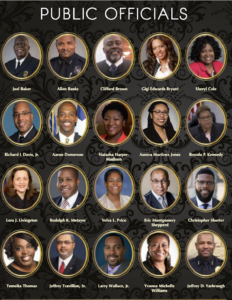
Community organizations have played a central role in boosting participation among Black voters across Texas, including in the Austin metro. One notable example is BlackTOP (Black Texas Organizing Project), which launched one of the largest focused Black voter engagement initiatives in the state. During the 2022 elections, BlackTOP reached nearly two-thirds of Black voters in Texas, knocking on hundreds of thousands of doors in key communities and helping generate turnout that outperformed expectations in many counties where it worked. Black TOP
Efforts like these show how strategic outreach — especially in historically under-engaged neighborhoods — can increase vote rates, elevate community priorities, and support the election of leaders reflective of those communities.
Challenges to Participation
Despite these mobilization efforts, various structural and political factors still suppress turnout. Texas has restrictive voting laws compared with many other states (e.g., limited eligibility for mail-in voting), and activists argue that recent redistricting and legislative changes have created barriers that disproportionately affect minority voters.