Longstanding Leaders and Recent Figures
Black political leadership in Austin and the broader region has deep roots, stretching back to Reconstruction. The city’s first African-American elected official was Henry Green Madison, appointed alderman in the 1870s during Reconstruction, representing a pivotal early step in civic participation and leadership. Wikipedia
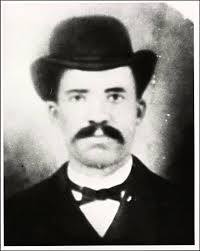
Throughout the latter 20th century, Black leaders made historic gains:
-
Wilhelmina Ruth Delco became the first African-American elected to public office in Austin as a school board trustee in 1968 and later served multiple terms in the Texas House of Representatives. Wikipedia
-
Berl L. Handcox was the first Black person elected to the Austin City Council in 1971. Austin Texas
Today, Black elected officials continue shaping local and regional governance:
Current and Emerging Black Officials
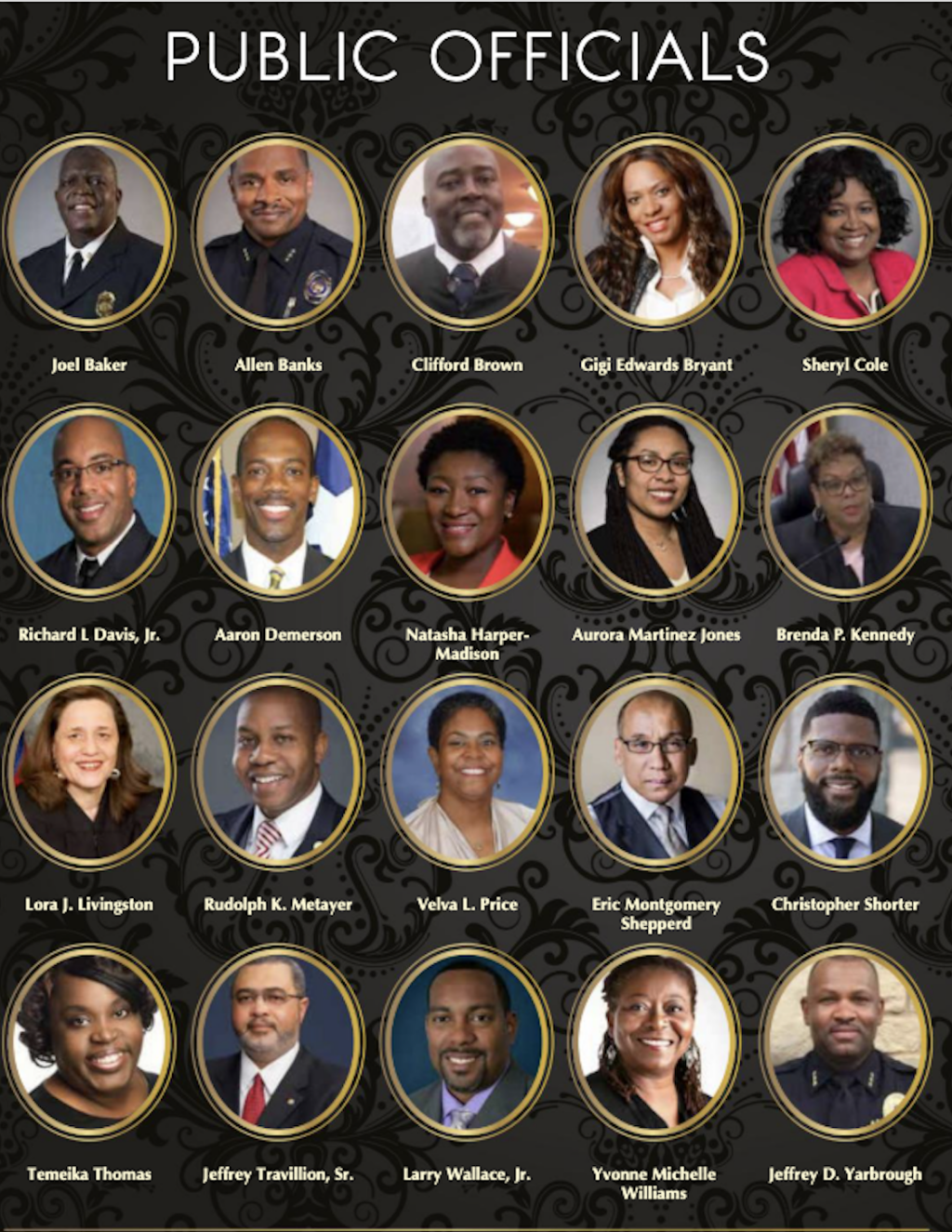
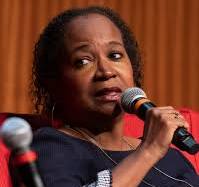
Sheryl Cole
-
Serves as the state representative for Texas House District 46, representing parts of the Austin metro. She is a recognized Black Democratic leader in the region working on issues from education to community equity.
Rudy Metayer

-
A Black elected official on the Pflugerville City Council, representing one of Austin’s rapidly growing suburbs.
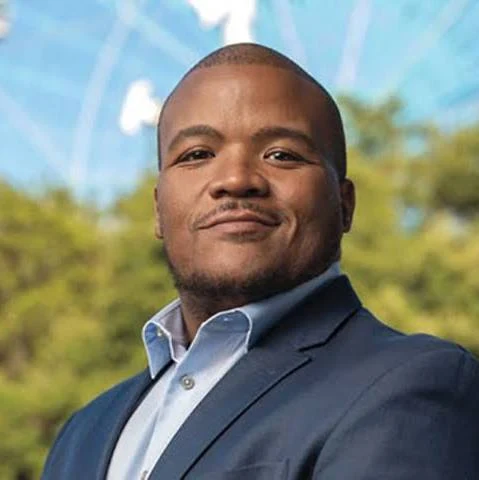
Venton Jones
-
A state representative in the Texas Legislature and one of the first openly Black gay men to serve in that body, Jones has become a notable figure for LGBTQ+ and civil rights advocacy in the state. People.com
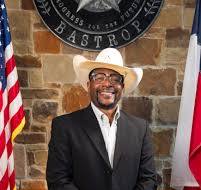
Ishmael Harris
-
Elected mayor of Bastrop (a city in the greater Austin area) — the first Black person to hold that office — highlighting expanding Black political leadership beyond central Austin. Statesman
Black Leaders with Broader Influence
Jasmine Crockett
-
Although not an Austin elected official, Congresswoman Jasmine Crockett — a Black woman who represents parts of the Dallas-Fort Worth area — has influence across the state’s political landscape. She’s currently running for U.S. Senate in 2026, with her campaign emphasizing mobilizing communities of color, including Black voters, to boost turnout in statewide races. Wikipedia+1
What This All Means for the Future
Black voter turnout and engagement in the Austin metro reflect a broader dynamic: while Black voters are a powerful force when mobilized, turnout rates — especially in local and off-cycle races — often lag behind potential. Continued grassroots organizing, voter education, and candidate outreach are critical to translating community interests into electoral influence.
Simultaneously, the rise of Black political leaders — from city council to state legislature to national campaigns — points to a growing diversity of voices shaping policy, governance, and civic engagement in Central Texas. These leaders not only represent Black communities but also champion broader coalitions focused on equity, access, and representation.