Remembering Tommie Lee (T. L.) Wyatt:
A Mentor, a Messenger, and a Legend of Black Austin
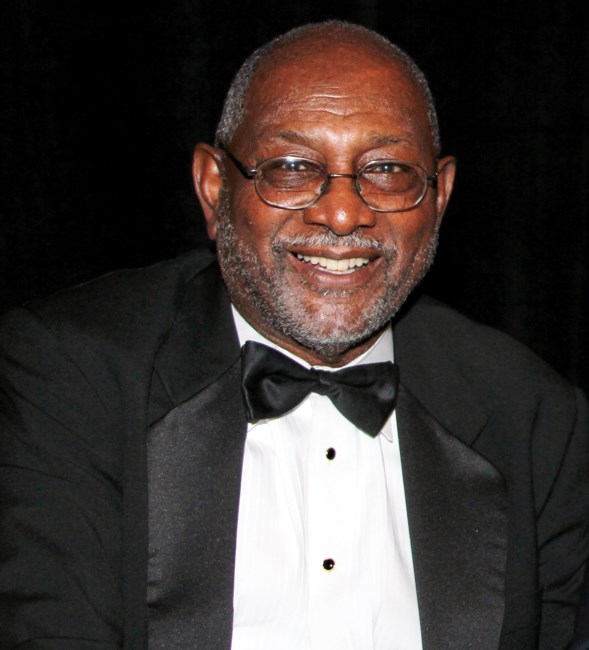
Tommie Lee (T. L.) Wyatt—a steadfast voice for Austin’s Black community and a lifelong champion of truthful, empowering journalism—passed away peacefully in his sleep on January 9, 2026, at the AVIR at Park Bend facility in Austin, Texas. He was 88 years old and was in the presence of his son, Thomas L. Wyatt, at the time of his passing.

Born on July 27, 1937, in Point Blank, Texas, to Ardalia Standifer, T. L. Wyatt’s life was shaped early by discipline, determination, and a belief in possibility. He earned a football scholarship and graduated from Bishop College in Marshall, Texas, with a Bachelor’s degree in Business Administration—an achievement that reflected both his academic focus and athletic drive.
Wyatt came of age during the height of the Civil Rights Movement, a period marked by deep injustice and transformative change. Those formative years instilled in him a lasting understanding of justice, community responsibility, and the power of storytelling—values that would define his life’s work and influence generations to come.
In 1962, Wyatt moved to Austin, entering a city still constrained by segregation. Yet when he spoke of East Austin, he did not dwell on its imposed limits. Instead, he remembered its brilliance: a vibrant, self-sustaining Black community filled with thriving businesses, cultural pride, and deep-rooted connections. That sense of possibility never left him.
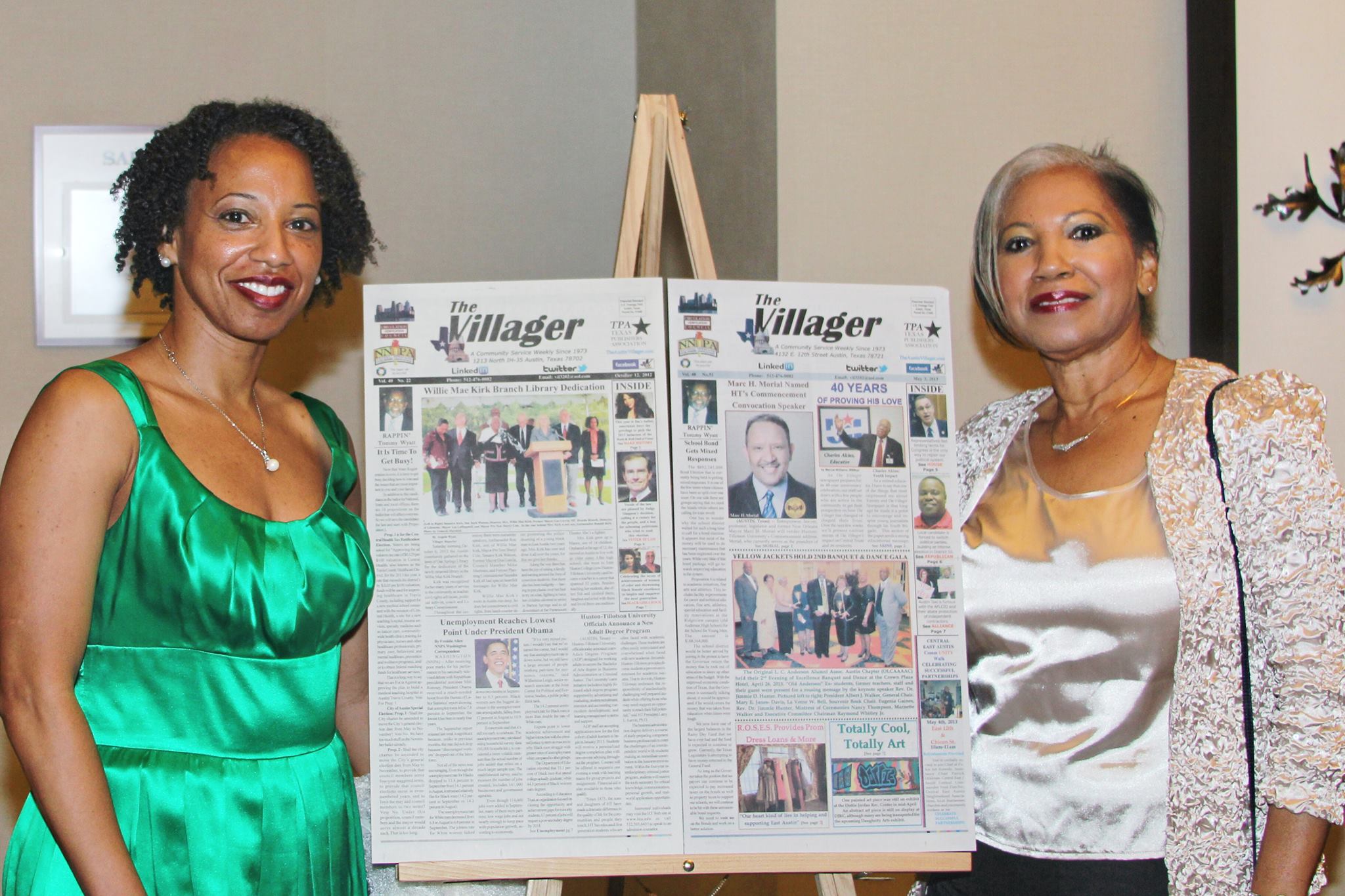
In 1973, Wyatt, his wife at the time Barbara, and a close friend co-founded The Villager newspaper with a bold and necessary mission—to tell the positive, truthful stories of Black Austin. At a time when mainstream media often reduced African American communities to narrow or negative portrayals, The Villager stood as a counter-narrative, a mirror reflecting dignity, achievement, and resilience. When his co-founders moved on to other careers, Wyatt remained, carrying the paper forward with unwavering commitment. He insisted that Black communities deserved coverage that reflected their full humanity—and he never compromised on that belief.
Wyatt often said, “The community needed a voice.” Whether through The Villager, his magazine Loquacity, or Austin’s only Black radio station at the time, KAZI, he answered that call. Having grown up reading Black newspapers, he understood the standard they set—and he held himself accountable to it. He frequently credited community support as the force that sustained The Villager for decades.
As media evolved and technology reshaped journalism, Wyatt remained firm in his belief in the enduring importance of Black newspapers. “People still keep scrapbooks of articles,” he would say. “We continue to do the work for them.” His dedication to print was never about nostalgia—it was about accessibility, memory, and belonging.
Beyond journalism, Wyatt was a respected civic leader who served on numerous boards and commissions, including the Private Industry Council, the Austin Cable Commission, and the East 11th Street Village Association. He was a founding member of the Texas Publishers Association and a steadfast member of the National Newspaper Publishers Association. Through initiatives like the Youth Brigade, he supported education and opportunity for young people. Leveraging relationships with major corporations such as Budweiser, Frost Bank, Wells Fargo, and Bank of America, Wyatt helped bring critical financial resources into the community. Through his connections with the Austin City Council and the City of Austin, he consistently highlighted the value and promise of East Austin, helping shape policy, preserve culture, and uplift neighborhoods too often overlooked.

To those who knew him personally, T. L. Wyatt was more than a publisher or civic leader—he was a mentor, a connector, and a man who carried joy with him. A lover of golf, travel, vacationing, good food, and gambling, he built relationships through warmth, curiosity, and optimism. Even when reflecting on the hardships of segregation, he chose to focus on resilience. “Why incessantly fuss about the negative when you can always focus on the positive,” he would ask, smiling through pearly whites.
Through his vision, persistence, and deep love for his community—especially East Austin—Tommie Lee Wyatt created a legacy that will continue to guide and inspire those who follow in his footsteps. He leaves behind a city forever shaped by his voice, his leadership, and his unwavering belief in the power of telling our own stories.
May his memory be a blessing, and may the light he carried continue to illuminate the path forward.
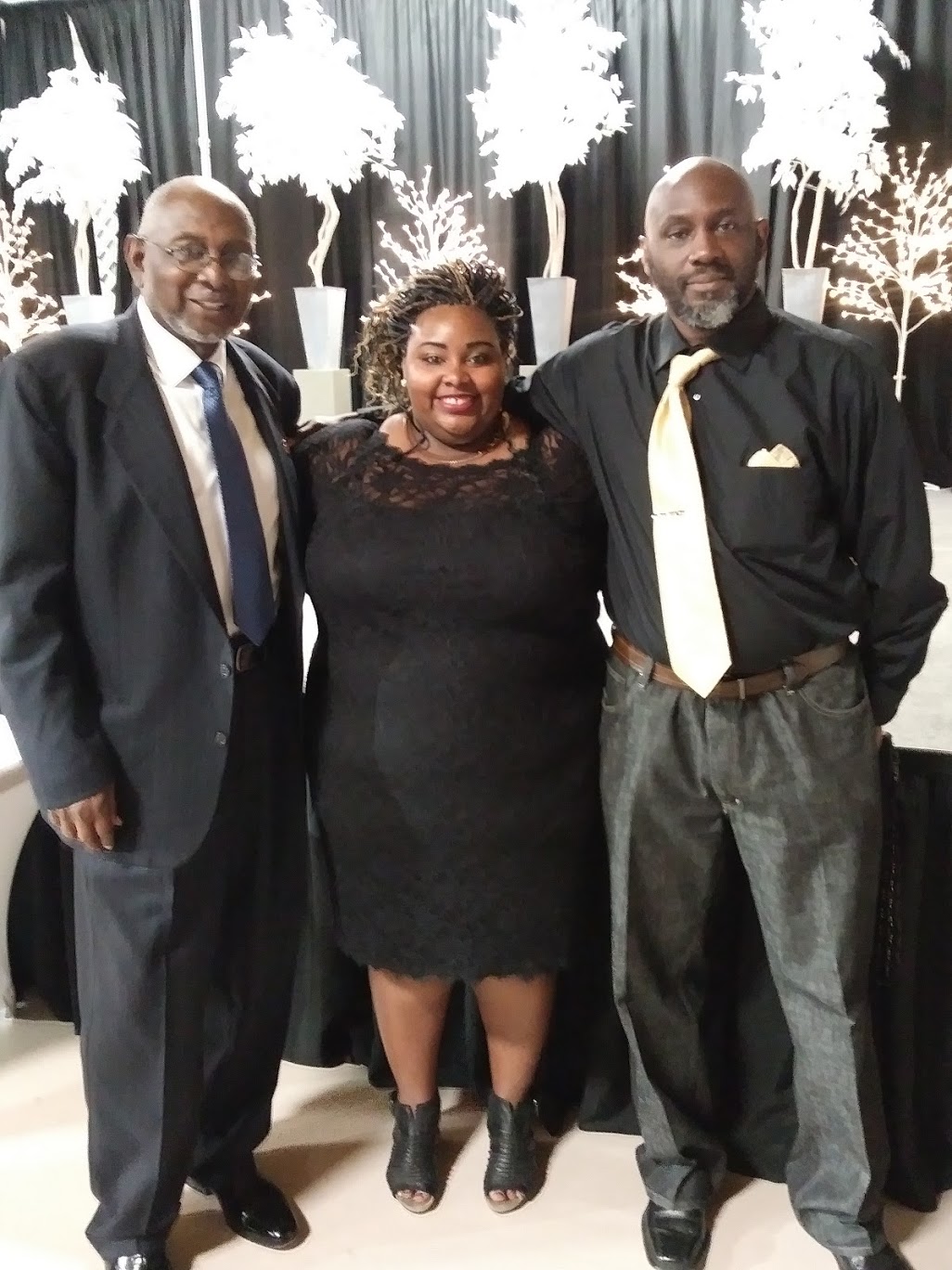
Tommie Lee Wyatt is survived by his son, granddaughter, and great-grandchildren.
Visitation will be held at Cook-Walden/Capital Parks Funeral Home, 14501 North IH-35, Pflugerville, Texas 78660, on January 20, 2026, from 4:00 p.m. to 8:00 p.m.
Funeral services will take place at the same location on January 21, 2026, from 10:00 a.m. to 11:00 a.m., followed by committal services at Cook-Walden Capital Parks Cemetery from 11:30 a.m. to 12:00 p.m.